Natural resources: Tajikistan's natural resources are very diverse. Many deposits of poly-chemical, rare and noble metals have been identified on the territory of the republic: zinc, lead, molybdenum, tungsten, copper, gold, silver, antimony, mercury, fluorspar, tin, uranium, bismuth, iron, manganese, table salt, magnesium and others of export importance.The famous deposits of Tajikistan include the gold deposits of Penjikent and Shugnan, the silver deposit of Bolshoy Kanimansur, the antimony deposits of Anzab, marble deposits in Vancha, Penjikent, Darvaz, Shahristan and others. There are deposits of coal, gas, oil, marble, and building materials. Tajikistan holds a leading position in Central Asia in terms of coal reserves. The total geological reserves amount to about 4.0 billion tons. 80% of coal is coking.
The republic has unique healing springs and mineral waters.
Water resources: Main rivers: Syrdarya, Amu Darya, Vakhsh, Panj, Zeravshan. Large irrigation canals: Gissar, Dalverzinsky, Tajik part of the Great Ferghana and Northern Ferghana canals.
Tajikistan is rich in lakes. There are about 1300 of them, with a total area of 705 square kilometers. The largest of them are Karakul, Sarez and Yashilkul. The lakes are mostly located at an altitude of 3,500 meters.
Huge reserves of snow and ice are concentrated in the highlands of Tajikistan. The climatic boundary of eternal snow lies at an altitude of 3500-3600 meters in the west and rises to 5800 meters in the east. The area of glaciers in Tajikistan exceeds 8,476 square kilometers. There are more than a thousand glaciers with a length of over 1.5 kilometers registered here. 16 glaciers reach more than 16 kilometers in length, including the Fedchenko and Grumm-Grzhimailo glaciers.
Climate: Temperate, sharply continental, dry. January temperatures in the valleys range from 0 C to +2 C, in the highlands they drop to -30 C, July temperatures in the valleys range from +23 C to +40 C, in the mountains - from +4 C to +15 C.
THE FINANCIAL SECTOR
There are 79 credit organizations operating in the Republic of Tajikistan, including 17 banks, 62 microfinance organizations (including 25 micro-credit deposit organizations, 6 micro-credit organizations and 31 micro-credit funds).
To ensure transparency of banks' activities in order to increase public confidence and attract domestic investment, banks publish their financial reports in the media annually upon completion of the audit. At the same time, the transparency of banks' activities on the basis of banking websites is ensured by the journal “Banking in Tajikistan” and the “Banking Statistical Bulletin".
THE STRUCTURE OF THE BANKING SYSTEM OF THE REPUBLIC OF TATARSTAN | QUANTITY |
CREDIT ORGANIZATIONS | 79 |
Cans | 17 |
Microfinance organizations | 62 |
Microcredit deposit organizations | 25 |
Microcredit organizations | 6 |
Microcredit funds | 25 |
Structural divisions of credit institutions | 1654 |
Branches | 338 |
Banking service centers | 1307 |
Cash service points | 9 |
HYDROPOWER
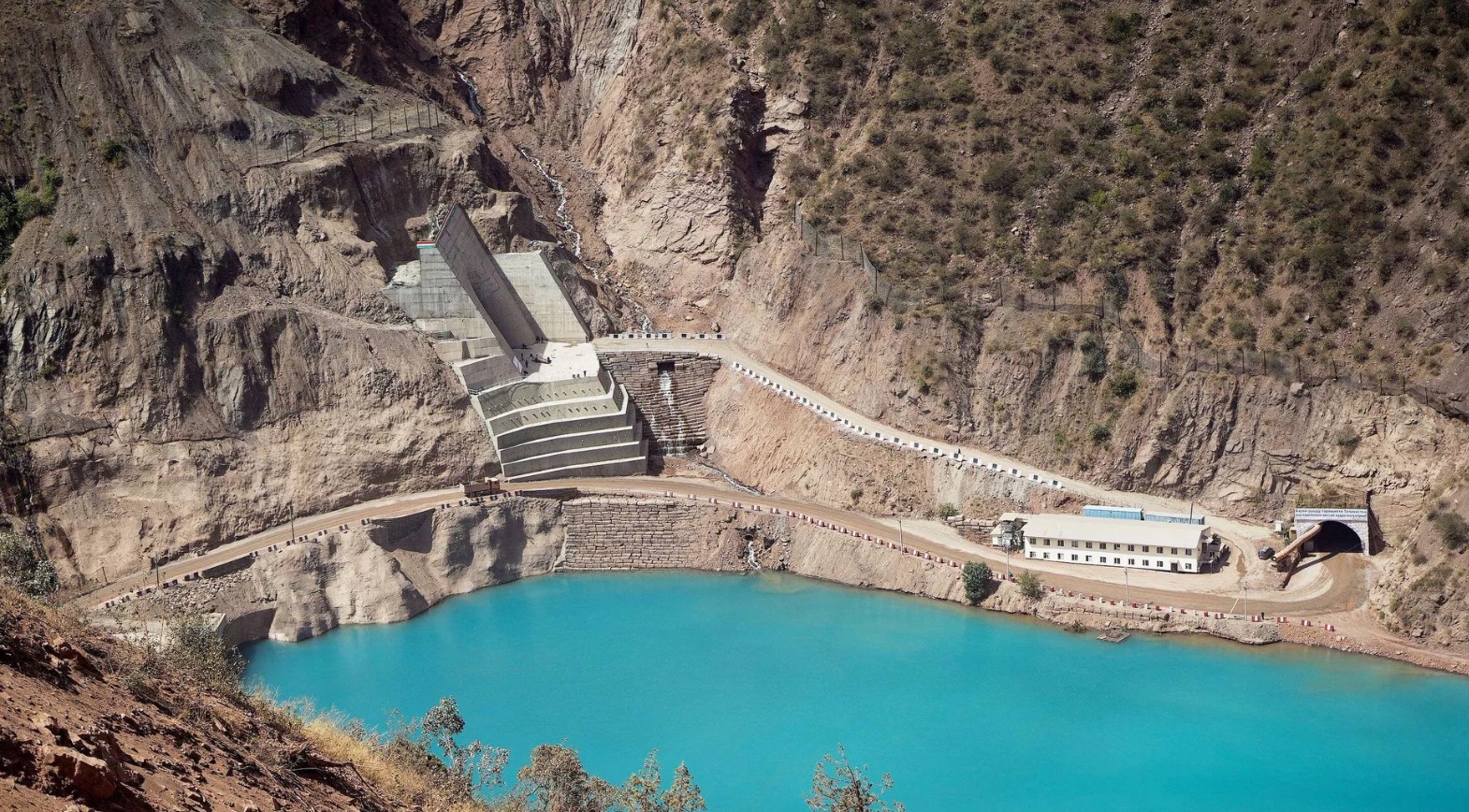
The Republic of Tajikistan has inexhaustible reserves of hydropower resources, ranking 8th in the world in terms of their specific reserves (per capita and unit of territory). Tajikistan has the potential to produce 527 billion kWh of electricity per year, but today only 6% of this potential is used.
Over the years of independence, the Government of the Republic of Tajikistan has been implementing a whole range of measures towards achieving one of its strategic goals - energy independence. For example, the following structures have been built and put into operation:
Sangtuda-1 hydroelectric power plant with a capacity of 670 MW;
Sangtuda-2 hydroelectric power plant with a capacity of 220 MW;
283 small hydroelectric power plants with a capacity of 30 thousand kW;
Dushanbe-2 thermal power plant with a capacity of 400 MW;
North-South transmission line-500 kW.
In addition, the implementation of projects for the modernization and reconstruction of existing facilities in the electric power industry continues.
Currently, with the financial support of the Asian Development Bank and the European Bank for Reconstruction and Development, a Feasibility study has been developed for the rehabilitation and modernization of the Main HPP (240 MW) and the Kairakkum HPP (126 MW).
The Government of the Republic of Tajikistan has signed an agreement with the Asian Development Bank on the allocation of a grant in the amount of USD 136 million for the modernization of the Main HPP. Projects for the modernization of hydroelectric power plants also provide for an increase in the capacity of hydroelectric units to 10%, which will ensure an increase in their installed capacity.
TRANSPORT
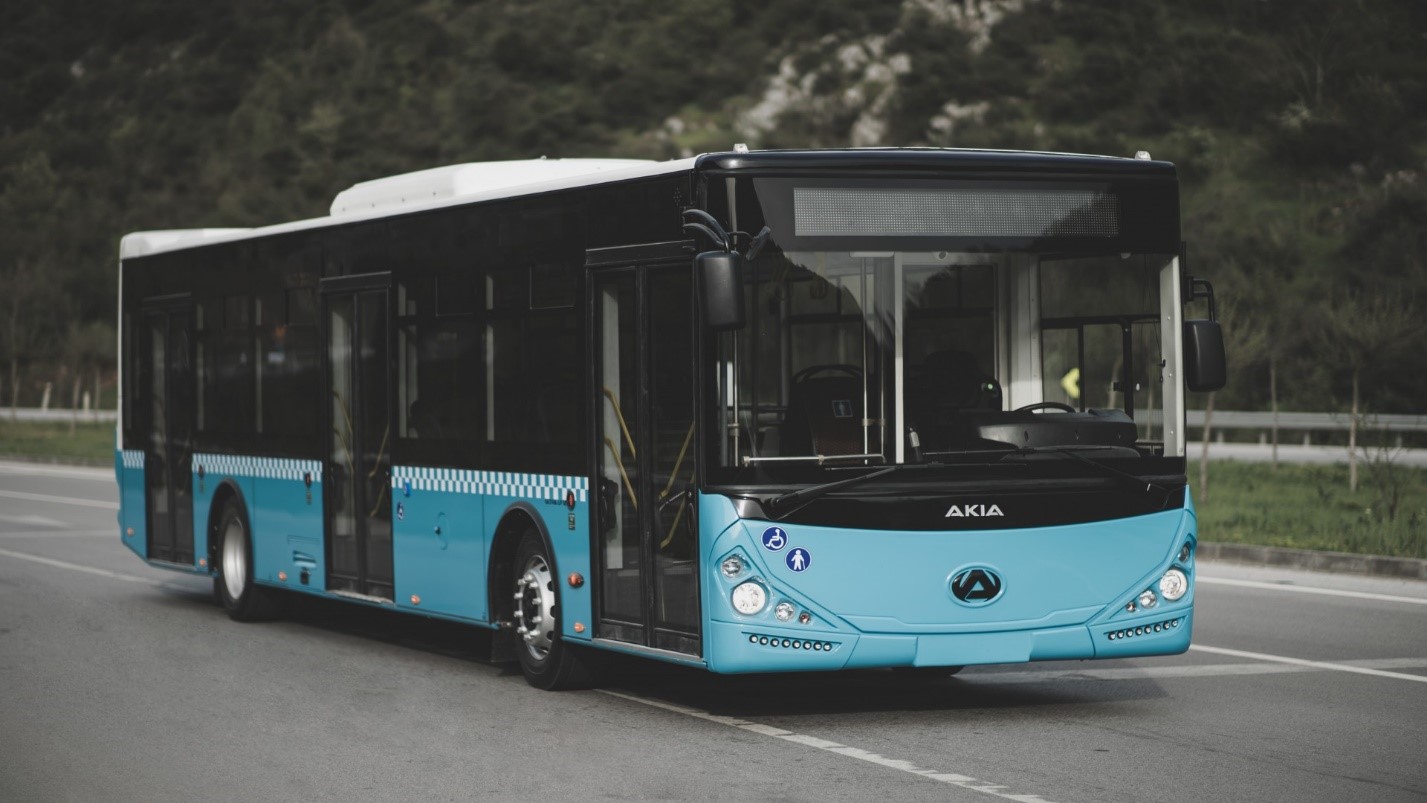
The development of the transport industry is of great importance for the Republic of Tajikistan, and breaking the communication deadlock is undoubtedly one of the strategic goals of the state.
Tajikistan does not have direct access to seaports. Therefore, highways and railway systems are of key importance for the economic development of the country. More than 90% of passenger traffic and about 70% of freight traffic is accounted for by road transport. The Republic of Tajikistan is a member of 10 international programs in the field of transport, including ESCAP, UN, TRACECA, SCO, SPECA, ECO.
In recent years, 38 investment projects in the transport sector have been implemented by attracting foreign investment, as a result of which 2,000 km of highways, 240 bridges, 132 kilometers of railway lines, 31.5 km of tunnels and avalanche protection structures have been commissioned.
The most successful of these projects are:
Construction of the Dushanbe-Dangara highway jointly with Eximbank of the People's Republic of China in the amount of 256.27 million US dollars;
Construction of the Dushanbe Border of Uzbekistan highway in cooperation with the Asian Development Bank in the amount of 131.2 million US dollars;
Construction of the Dushanbe Border of Kyrgyzstan highway jointly with the Asian Development Bank in the amount of USD 76.5 million;
The construction of the Kulyab - Kalai-Khumb highway, the Shurabad-Shokhon section, together with the Saudi Development Fund, the OPEC Fund, the Islamic Development Bank, the Kuwait Development Fund and the Abu Dhabi Fund for a total amount of 92.9 million US dollars.
The construction of the Dushanbe-Khujand-Chanak highway and the Shahristan Tunnel, jointly with the China Road and Bridge Corporation, at a cost of 310 million US dollars.
The length of Tajikistan's railways is 935 km. Tajikistan is a party to the Trans-Asian Railway (TJ) agreement, which connects the railway system with 28 countries in Asia and Europe. This agreement entered into force on June 11, 2009. It is designed to facilitate freight and passenger transportation within Asia and between Asia and Europe.
The Government of the Republic of Tajikistan, together with the Governments of Turkmenistan and Afghanistan, is implementing a project for the construction of the Turkmenistan-Afghanistan-Tajikistan railway. It is assumed that this railway will create favorable conditions for increasing the pace of socio-economic development of the region. Air transportation is carried out by both local and international airlines. Tajikistan has 4 international airports in the cities of Dushanbe, Khujand, Kurgan-Tube and Kulyab.
During the period of state independence, agreements on aviation communications were signed with 21 states of the far and near abroad. In addition, domestic companies Tajik Air and Somon Air provide services to citizens on 33 air routes to 9 countries of the far and near abroad.
On September 3, 2014, a modern passenger terminal with a capacity of 500 passengers per hour, built at the expense of Tajikistan and France, was put into operation at the Dushanbe International Airport.
AGRICULTURAL INDUSTRY
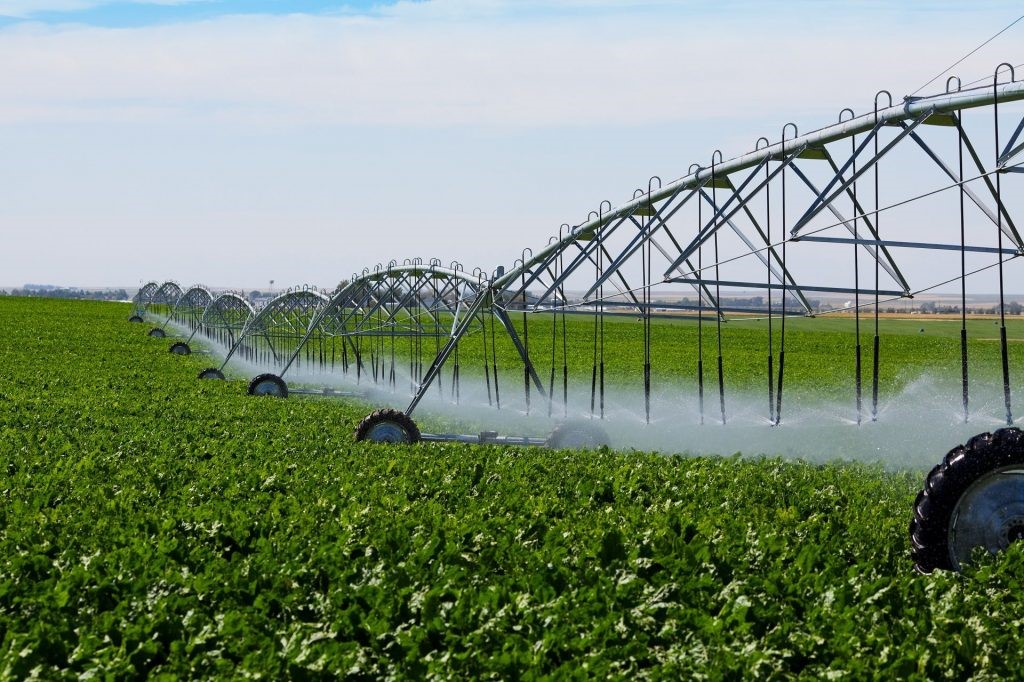
One of the main sectors in the economy of the Republic of Tajikistan is agriculture, thanks to which about 23.3% of GDP, more than 70% of jobs, 25% of exports and 35% of tax revenues to the state budget are provided in the country today.
Despite the fact that the climatic conditions of the republic are ideal for growing almost all varieties of grain crops, the mountainous terrain still somewhat limits the possibilities of the population in agricultural production.
The total area suitable for agricultural activities is 7.2 million hectares, while most of it is used for pastures for livestock. The acreage for agricultural crops is only 675 thousand hectares, of which only 470 thousand hectares are irrigated. Another 180 thousand hectares of these areas are cultivated for orchards and vineyards.
Annually, more than 1.4 million tons of grain, 900 thousand tons of potatoes, 1.6 million tons of vegetables, 595 thousand tons of melons and 300 thousand tons of fruits are produced on the irrigated and rain-fed lands of sunny Tajikistan. It should be noted that in 2016, the volume of exports of Tajik fruits and vegetables exceeded 200 thousand tons.
COTTON
Cotton continues to form the basis of Tajik exports to this day. That is why this agricultural crop occupies 1/3 of the entire arable area of the republic. Due to suitable agroecological conditions, in which 10 months of sunny days a year play an important role, and abundant reserves of water resources, up to 400 thousand tons of high-quality cotton can be produced annually in the country.
FRUIT PROCESSING
Tajik fruits are highly appreciated in many countries of the world not only for their environmental friendliness, but also for their excellent taste qualities. The unique climatic conditions of the republic allow us to grow apricots, peaches, grapes, apples, pears, persimmons, pomegranates and citrus fruits here. Vegetables and fruits occupy the second place after cotton in terms of exports in the republic.
Today, more and more fruit processing enterprises are appearing in Tajikistan. One of the important factors in this case is that dried fruits are easily transported, stored and sold at higher prices. In recent years, this industry in Tajikistan has demonstrated stable growth rates, mainly due to the export of manufactured products.
BEEKEEPING
In Tajikistan, beekeeping is part of the national culture and has its own ancient history. Another famous scientist Abu Ali ibn Sina (Avicenna), in his work "The Law of Medicine", talked about the benefits of honey and bee venom for human health.
The abundance of nectar-bearing plants in the republic makes it possible to breed from 500 to 600 thousand bee colonies, which could produce from 10 to 12 thousand tons of honey per year, as well as a large number of other related products such as wax, propolis, pollen, royal jelly and bee venom.
In Tajikistan, a huge feed base is available for the development of beekeeping. Today, honey-bearing farmland amounts to about 5 million hectares, which makes it possible to increase honey production from 30 to 40 thousand tons per year.
FISH FARMING
Given the geographical features of the republic and the large number of mountain rivers and lakes, fishing in Tajikistan is considered one of the most profitable fields of activity. Today, the demand of the population of the republic for fish is 14 thousand tons.
Taking into account the available volumes of water resources, it is planned to increase the production of fish products in the country to 200 thousand tons. It should be noted that as of January 1, 2016, the volume of fish production in the Republic of Tajikistan amounted to 2,023 tons.
ANIMAL HUSBANDRY
Animal husbandry is one of the components of the agricultural sector of the economy of the Republic of Tajikistan, which in terms of total agricultural production in the country ranks second after crop production.
In the mountainous regions of the republic, animal husbandry is the main source of income for the population. Comfortable natural and climatic conditions, soil quality and abundance of various wild plants in the republic create favorable conditions for breeding various breeds of farm animals. That is why the number of livestock of farm animals and poultry in Tajikistan increases annually by an average of 8-10%. The share of households among the population in the production of all livestock products, except eggs and poultry meat, has been steadily growing in recent years, exceeding 85-90%.
MINING INDUSTRY
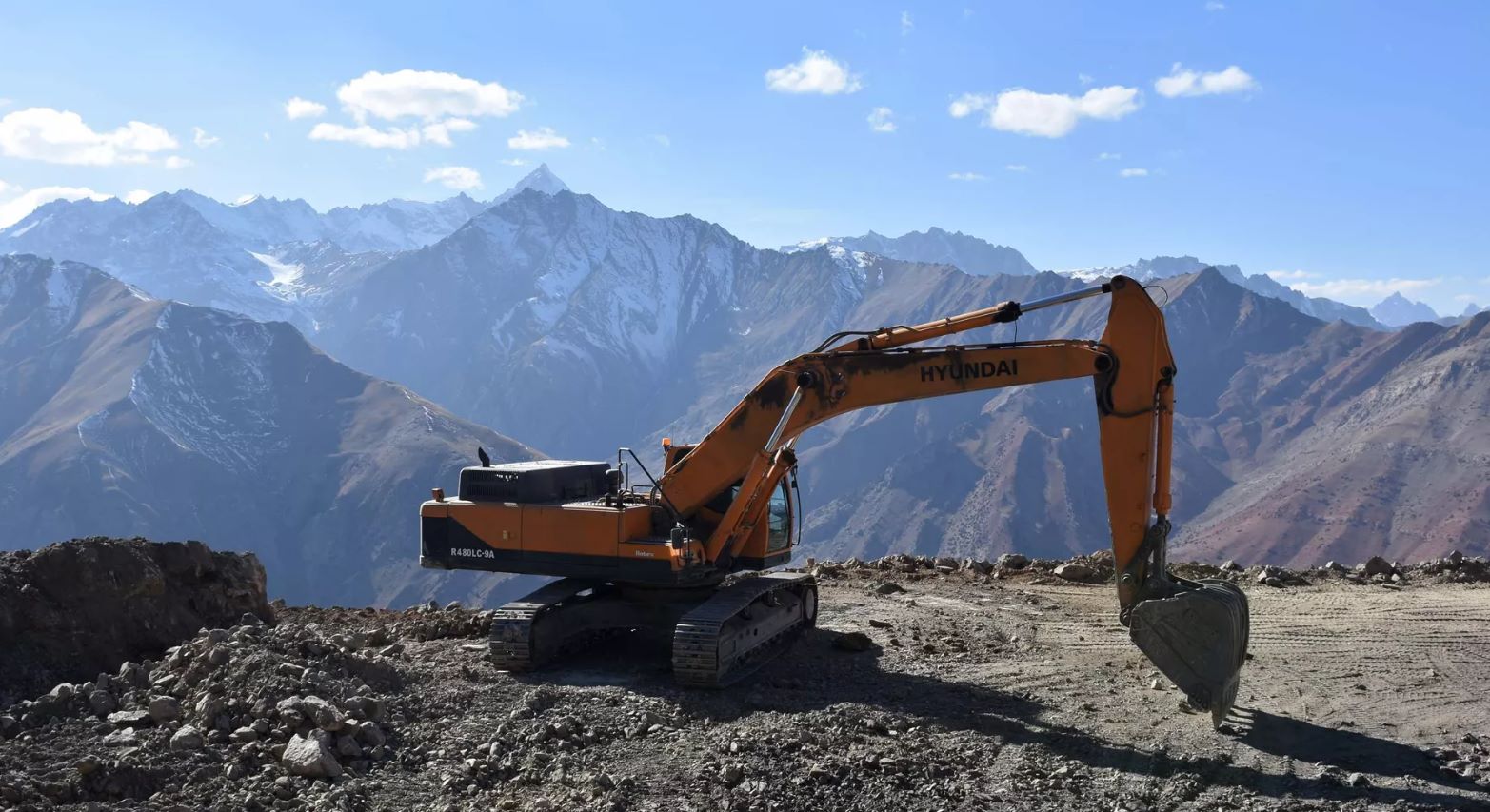
Today, about 40 types of minerals are mined on the territory of the Republic of Tajikistan. About 100 deposits are in use. At the same time, more than 600 deposits of polychemic, rare and precious metals have been identified and explored, which are partially prepared for industrial development.
The bowels of the country are rich in zinc, lead, bismuth, molybdenum, tungsten, copper, gold, silver, antimony, mercury, fluorspar, tin, uranium, iron, manganese, table salt, magnesium and many other mineral resources with a fairly high export potential.
CHEMICAL INDUSTRY
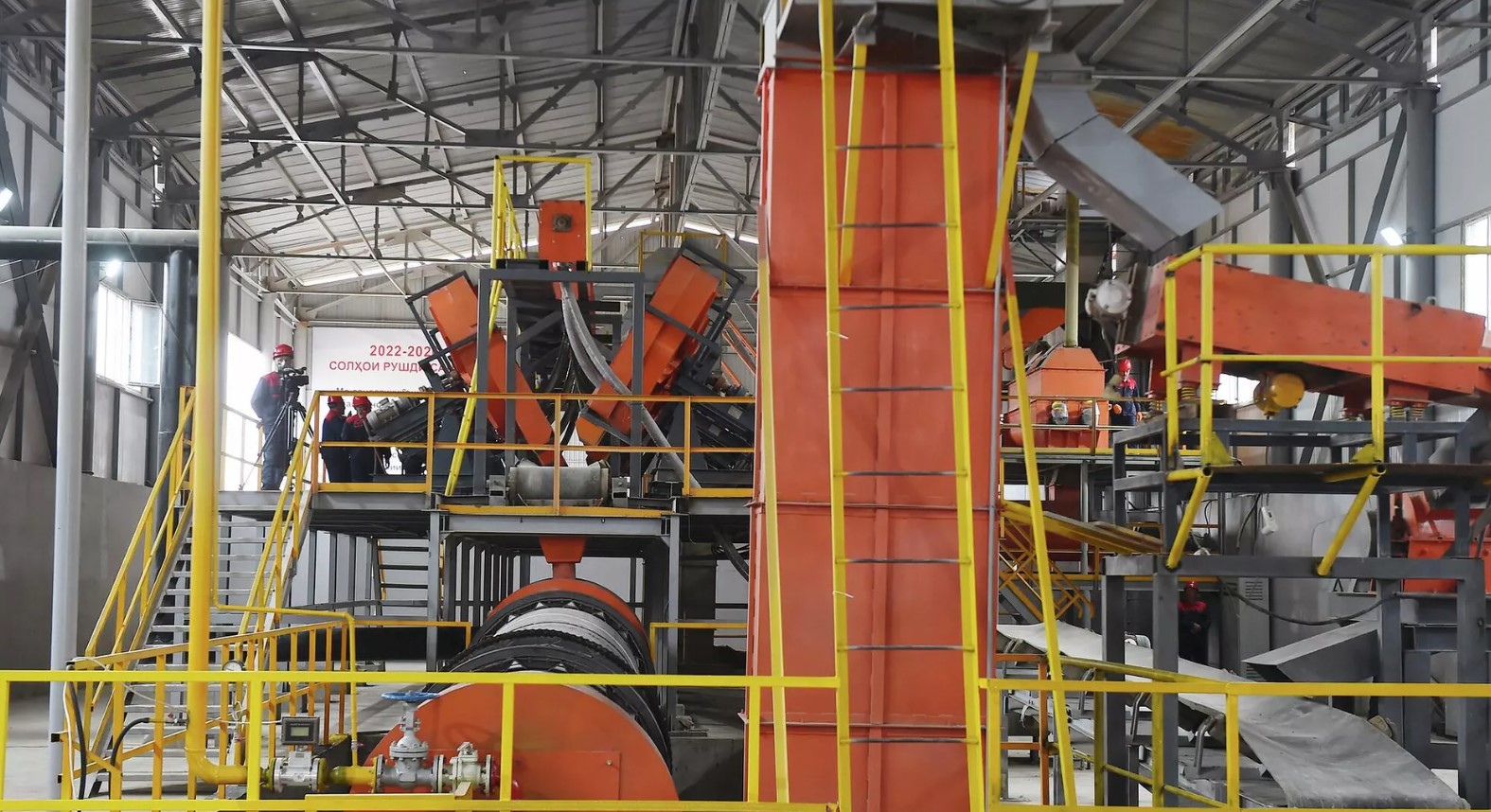
The chemical industry in Tajikistan is relatively young, but with obvious development potential. Thus, the country has a powerful raw material base for the development of the chemical industry, mainly a wide range of mineral resources, affordable electricity and water resources.
The country has already established large-scale production of chlorine-containing products and nitrogen fertilizers.
Tajik enterprises in this industry produce:
rubber products,
respirators, linoleum,
plastic pipes and containers,
medicines,
paint and varnish products,
silicate paints,
liquid glass,
household chemicals,
caustic soda,
technical salts of strontium,
reactive strontium salts (more than 10 types),
reactive salts of bismuth, barium, strontium,
strontium chromate, rhenium metal,
rhenium semioxide, rhenium powder, X-ray phosphors R-14,
aluminum-strontium ligature,
KL-1 and KJ-1 lead crowns,
molybdenum trioxide,
vanadium pentoxide,
ammonium vanadate, calcium vanadate, lead nitrate, nickel oxide,
ammonium perrenate,
industrial explosives.
Chemical products are mainly used in the metallurgical, construction and light industries. Currently, a cryolite production plant with a total annual design capacity of 30,000 tons is being built in the city of Javan on the basis of local raw materials. This enterprise is being built on the basis of modern technology and in the future will fully meet the annual demand of the State Unitary Enterprise Tajik Aluminum Company with aluminum fluoride and cryolite.
In the future, it is planned to build plants for the production of sulfuric acid with a production capacity of 100,000 tons. and superphosphate 150,000 tons. per year. It is also considered advantageous to establish the production of sodium cyanide, soda ash, dry caustic soda, chloromethane and products made from it, detergents, chemicals, processing of coal and oil, nitric acid, saltpeter, potassium chloride, ammophos, processing of metal concentrates, non-ferrous and precious metals, the element boron and sulfur based on existing chemical facilities enterprises of the republic.
LIGHT INDUSTRY
The Department of Light Industry and Sericulture is a structural unit of the central office of the Ministry and consists of two departments:
DEPARTMENT OF LIGHT INDUSTRY AND DEPARTMENT OF SERICULTURE.
The Department directs its activities to the development and implementation of a unified state policy and the streamlining of legislative acts in the industry.
The Department is guided in its activities by the Constitution of the Republic of Tajikistan, the current laws of the Republic of Tajikistan, decrees and orders of the President of the Republic of Tajikistan, resolutions of the Government of the Republic, other normative legal acts, orders and orders of the Minister of Industry and New Technologies.
The Department, in accordance with the tasks assigned to it, carries out its activities in cooperation with other departments and departments.
THE MANAGEMENT TASKS ARE:
development of programs and measures to ensure a unified state policy, improve the mechanisms for the development and functioning of enterprises in the light industry and sericulture;
participation in the development and implementation of measures for the formation and implementation of state support, preservation, development of industrial and scientific and technical potential and assistance to industry enterprises in introducing the latest technology and best practices, their rational use and adaptation to market economy conditions;
participation in the analysis, preparation of proposals and coordination of materials on clarifying the management scheme, developing priority areas of activity, the feasibility of creating, placing new and using local raw materials, as well as on the development and approval of technical, technological and other regulatory requirements for industry enterprises;
assistance to industry enterprises in creating conditions for increasing the production of consumer goods, industrial and technical products and the provision of household services, improving their quality and competitiveness to meet the needs of the domestic market in accordance with the emerging demand environment and export opportunities through the introduction of import-substituting technologies;
MANAGEMENT, IN ACCORDANCE WITH THE ASSIGNED TASKS, PERFORMS THE FOLLOWING FUNCTIONS:
On the basis of the industry development strategy, carries out the implementation of approved sectoral programs, submits information to the Government of the Republic of Tajikistan on their implementation and existing problems;
develops measures and submits proposals for restructuring and organization of new enterprises to the Ministry's management for consideration;
participates in the development of draft legislative and other regulatory legal acts defining the procedure for the functioning and development of the industry and submits to the leadership of the Ministry relevant conclusions on their implementation at the enterprises of the industry;
promotes the implementation of a targeted scientific, technical and innovation policy in accordance with the objectives of the development of the industry, ensuring the effective use of new technologies, new types of products and services in accordance with market needs based on the processing of local raw materials;
participates in the development of proposals to streamline the export of certain types of raw materials outside the republic, taking into account the provision of domestic producers with raw materials in the necessary volumes according to their needs;
participates in the organization and conduct of information and exhibition work in the industry together with interested parties.
TOURISM
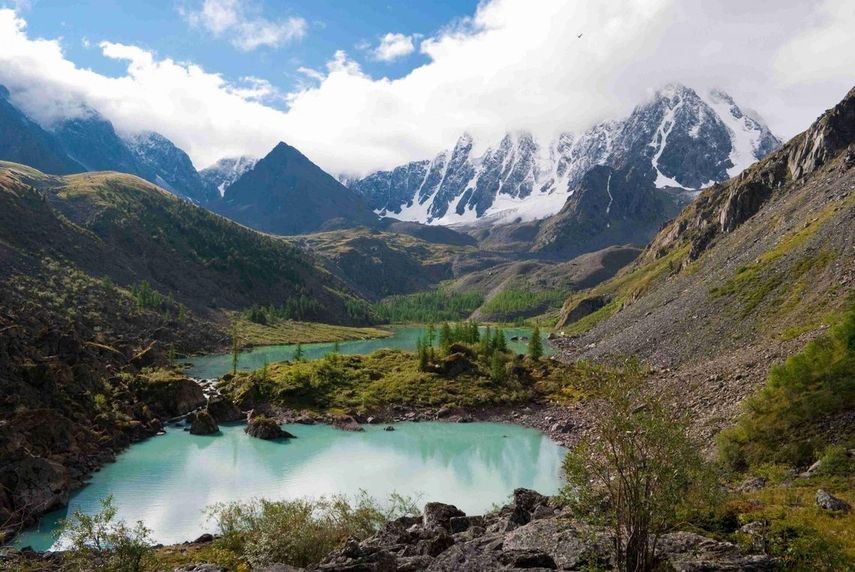
Tajikistan has a great cultural and historical heritage, an original culture, an advantageous geographical location, a variety of natural landscapes, unique natural monuments for the development of inbound and domestic tourism.
The majestic Pamir Mountains, known worldwide as the "roof of the world", are located on the territory of Tajikistan. There are climbing routes to the highest mountain peaks – Ismoili Somoni and Evgenia Korzhenevskaya, located at an altitude of more than 7000 thousand meters, hunting farms, etc. A man-made unique natural monument in the Pamirs is the Pamir Botanical Garden, located at an altitude of 2320m above sea level near the city of Khorog.
There are about 200 sources of mineral and thermal waters on the territory of Tajikistan, on the basis of which the sanatorium-resort tourism direction is developing.
Today, a competitive tourism market has been formed in Tajikistan and more than 150 tourism companies operate. In order to develop international tourism in the republic, an electronic visa issuance system has been introduced. (www.evisa.tj)
Currently, more than 65% of sanatorium-resort and tourist facilities have been restored in the country, more than 300 private tourist recreation areas have been built, which creates real conditions for organizing international tourism, employment of the population and attracting investments.
Tajikistan is a land of the highest peaks, huge glaciers, swift stormy rivers, lakes unique in their beauty, unique vegetation and rare animals. It is the mountainous, floor-to-floor landscape that determines the originality and uniqueness of Tajikistan's nature, the richness of its forms brought to life by the diversity of climatic zones. In the republic, in an hour and a half flight from the sultry heat of the Vakhsh valley, you can get into the Arctic cold of the eternal snows of the Pamirs.
According to the rules on the procedure for registration and issuance of visas of the Republic of Tajikistan to foreign investors, the following types of visas are issued:
investor (C) – heads of world-famous foreign firms and companies traveling, as well as those located in the Republic of Tajikistan for business purposes, who are actually involved in investing in the economy of Tajikistan, representatives of the management of large foreign firms and companies operating in the Tajik market or having real plans for the development of business projects, as well as family members of the listed persons;
free economic zone (MOI) - for foreign citizens-investors to carry out labor and entrepreneurial activities in the territory of free economic zones
To obtain visas, the following documents are provided to the authorized state body in the original and one copy:
a valid foreign passport (diplomatic, official, general civil, United Nations passport, certificates of a stateless person), or other identity document, and having a specially designated place for pasting a visa sticker.
a passport or other document submitted by a foreign citizen must not cause doubts about the authenticity and belonging of its owner, contain marks, reservations, notes, erasures and corrections not certified by the competent authorities of the relevant foreign state, torn or embroidered pages, must have at least 2 blank pages intended for visas, its validity period, as a rule, it should not expire earlier than 6 months after the expiration date of the visa;
a completed visa application form, on a form in accordance with Appendix No. 2 to these Rules, with a photo pasted that meets the requirements specified in Appendix No. 3 of these Rules (with the exception of heads of foreign states and heads of government of foreign states).
The visa application form is filled out legibly by hand in block letters, or using computer technology in Tajik, Russian, English or in the language of the country of residence of the consular institution of the Republic of Tajikistan and signed by the applicant personally. If another person fills out the visa application form, an entry is made in the visa application form with the signature of the person who filled out the application and his attitude towards the applicant. If the visa application form is filled out by an international or non-governmental organization that does not have diplomatic status, the stamp and signature of the head of the requesting organization are affixed in the column "date and signature" (question 31) of the visa application form;
receipt of payment of the state fee and consular fee (when submitting documents – for consideration, and after making the appropriate decision on issuing a visa – for registration);
a copy of the primary (previous) visa of the Republic of Tajikistan. The primary visa is the basis for issuing a new visa;
In addition to the above documents, depending on the visa category, the applicant must submit the following additional documents:
to obtain an investor visa, it is necessary that the amount of investments be at least 500 thousand US dollars, the petition of large foreign companies or the State Committee of the Republic of Tajikistan on Investments and State Property with a preliminary check according to the "List ...". The Consular Department of the Ministry of Foreign Affairs of the Republic of Tajikistan issues investor visas for up to three years. Consular offices of the Republic of Tajikistan abroad issue investor visas for up to two years, followed by informing the Consular department of the Ministry of Foreign Affairs of the Republic of Tajikistan about the issuance of this visa category within 24 hours.